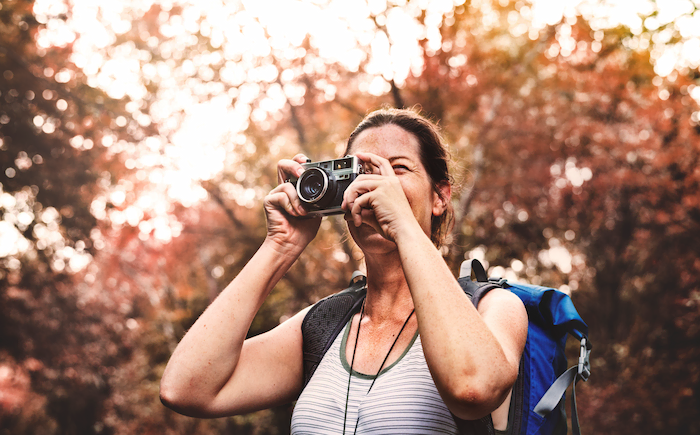
Embarking on a camping trip presents an unparalleled opportunity for campers to connect with nature and capture its stunning beauty through photography. However, photographing the outdoors necessitates specific skills and knowledge. This comprehensive guide aims to equip campers with essential photography tips to enhance their outdoor adventure.
Contents
Selecting the Right Gear
Compact and Robust Camera
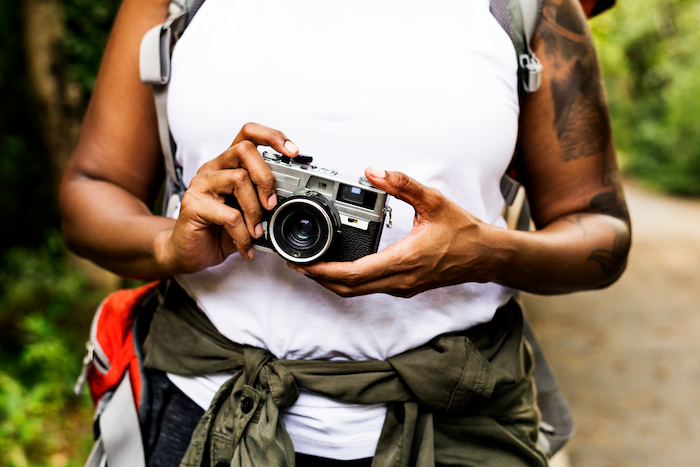
For campers, carrying lightweight and durable equipment is paramount. A compact mirrorless camera serves as an excellent choice, providing high-quality images without the bulkiness.
Versatile Lenses
A zoom lens ranging from 18-55mm or 24-70mm is versatile enough to accommodate various photography styles, from sweeping landscapes to intimate portraits, catering to a camper’s diverse needs.
Additional Batteries and Memory
Remote camping locations may lack power sources, making it essential for campers to pack extra batteries and memory cards, ensuring they never miss a photo opportunity.
Mastering Lighting and Composition
Embracing the Golden Hour
The golden hour, occurring shortly after sunrise or before sunset, bathes the landscape in a warm, soft glow, creating perfect lighting conditions for campers to photograph.
Applying Composition Techniques
Campers can enhance their photos by employing composition techniques such as the rule of thirds, leading lines, and framing, adding depth and interest to their shots.
Achieving Sharp Focus
Utilizing manual focus can help campers achieve precise focus, especially in challenging lighting conditions or complex scenes, ensuring crisp and clear images.
Preserving the Great Outdoors
Practicing Leave No Trace Principles
As stewards of nature, campers should practice Leave No Trace principles, ensuring their photography activities do not harm the environment or disturb wildlife.
Responsible Waste Management
Campers must be diligent in packing out all their trash, leaving the natural habitat undisturbed and pristine for future generations and fellow nature enthusiasts.
Post-Processing and Sharing the Adventure-Camper
Editing for Natural Beauty
Post-processing is an integral part of photography. Campers can enhance their images by adjusting color balance, contrast, and sharpness, striving to maintain the natural beauty of the captured scene.
Sharing the Camping Experience
By sharing their photographs on social media or photography platforms, campers can connect with a broader community of outdoor enthusiasts, inspiring others to appreciate and protect our natural world.
Camping and photography go hand in hand, providing campers with a unique opportunity to immerse themselves in nature and capture its breathtaking beauty. Equipped with the right gear, knowledge of photographic techniques, and a commitment to preserving the environment, campers are set to create stunning visual memories of their outdoor adventures. Happy camping and happy shooting!
Basic Photography: Essentials You Need to Know
Photography is a powerful tool for immortalizing memories and telling stories. However, capturing impressive photos requires some basic knowledge. Here are essential things you need to know about basic photography:
Camera Settings
Get familiar with your camera and learn its manual settings. Understanding basic settings such as ISO, aperture, and shutter speed will help you take better photos under various lighting conditions.
Composition
Think about framing when placing your subject in the photo. Using composition techniques like the “Rule of Thirds” can help create captivating and balanced images.
Lighting
Light is the foundation of photography. Try to use natural light and consider the direction and intensity of light. Experiment with shooting at different times of the day to find the best light.
Focus
Ensure that your subject is sharp and in focus. You can use autofocus features or focus manually. Choosing the right focus point can strengthen the message of your photo.
Trial and Error
Practice to improve your photography skills. Experiment by taking photos from different angles, in varying lighting conditions, and with various settings. Learning from your mistakes will help you capture better photos over time.
In conclusion, photography is an art that requires patience and practice. Learning the basics and continuously experimenting are key to capturing impressive photos.
- Selecting a Refrigerator for Your Caravan: What to Consider?
- Hiking – Nature Walks and Their Benefits
- A Comprehensive Guide to Camping in Rainy Weather – Camping Equipment and Recommendations
- Things to Consider When Choosing a Campground
- Outdoor Furniture – The Key to Outdoor Comfort
Follow us on social media