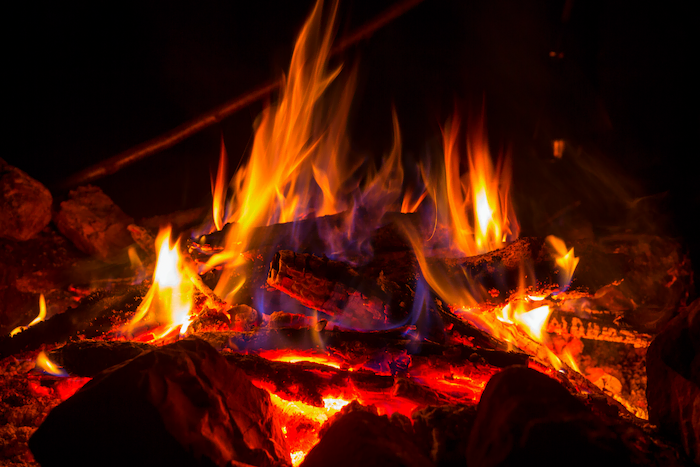
One of the most iconic activities of camping is undoubtedly making a campfire. A campfire can be used for both warming up and cooking. At the same time, it creates a great atmosphere to gather around with friends and family, share stories, sing songs, and experience intimate moments. However, lighting a campfire, maintaining control over it, and extinguishing it are serious responsibilities. In this article, we will cover basic information, safety precautions, and best practices related to campfires.
Contents
Campfire Preparation
Location Selection
When you want to light a campfire, the choice of location is of vital importance. Understanding the speed and direction of the wind reduces the risk of losing control over the fire. Removing flammable materials from around the fire is important for both your safety and the preservation of nature. There should be no flammable materials on or around the ground where the fire is lit. Additionally, care should be taken to ensure that the fire is not located under tree branches.
Fire Pit
The fire pit is used to prevent the fire from damaging the environment and to keep it under control. Digging a pit prevents the flames from being carried and growing with the wind. Surrounding the pit with stones serves as an additional safety measure. Ensuring that the fire pit is deep enough prevents flames from jumping out.
Fuel Selection
Fuel selection is critical for igniting and sustaining the fire. Dry branches, leaves, and pieces of wood are a good starting point. However, thicker and larger pieces of wood will be needed to sustain the fire. Wet or damp wood produces smoke and does not burn properly, so it is important to use dry materials.
Lighting the Fire
Basics
You should use safe and effective methods to light a fire. Matches or a lighter are good options for starting a fire. Small, dry branches and leaves catch fire quickly and are ideal for starting the flame.
Growing the Flame
To grow the flame, fan the small flames and add dry wood to feed the fire. Help the flame get enough oxygen by blowing on it gently. This process ensures the growth of the flame and a steady burn of the fire.
Fire Safety
Control
Ensuring the fire is under control is critical to prevent a potential fire hazard. Constantly watch the fire and have water containers or sandbags nearby. This provides the opportunity for quick intervention in any emergency.
Extinguishing
Use water to extinguish the fire, pouring it directly onto the flames. Then, make sure the fire is completely out by dispersing the coals with your hands or a tool. Additionally, it is important to check that the surrounding area is safe. Before leaving the fire, ensure the area is cool and there is no fire hazard.
Conclusion
A campfire is a delightful and functional activity while spending time in nature. However, it is important to maintain control over the fire and take safety precautions. Acting responsibly to protect nature and the environment, we protect both ourselves and nature. Remember, let the only trace you leave in nature be your footprint. With this consciousness, you can spend safe and enjoyable time in nature.
Let’s not forget to protect nature while benefiting from the beauty of nature!
- Tips for Choosing a Camping Chair
- Outdoor Furniture – The Key to Outdoor Comfort
- Things to Consider When Choosing a Campground
- Hiking – Nature Walks and Their Benefits
- Outdoor Furniture – The Key to Outdoor Comfort
Follow us on social media