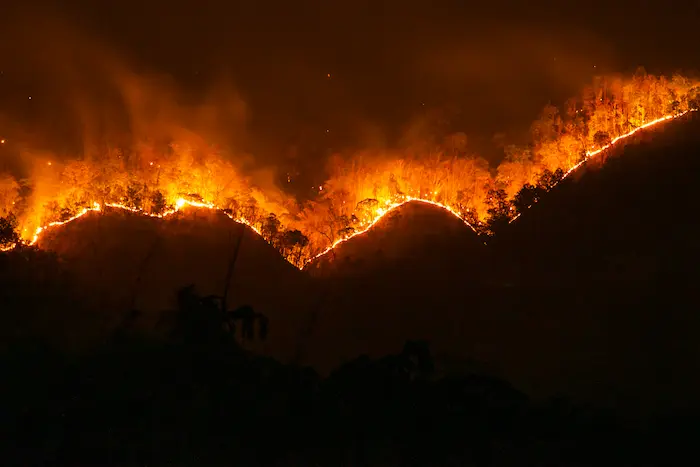
Wildfires affect millions of hectares worldwide each year, posing threats to both natural habitats and human communities. Climate change, improper land use, and human activities increase the risk of fires, making effective strategies and awareness crucial for tackling these disasters.

Contents
Causes of Wildfires
Forest fires can be attributed to various factors, including:
- Climate Change: Hot and dry weather conditions elevate the risk of wildfires.
- Human Activities: Careless campfires, discarded cigarette butts, and various neglectful behaviors.
- Lightning Strikes: A natural cause, particularly potent in dry areas, that can lead to wildfires.
Effects of Forest Fires
Fires can impact forest ecosystems, wildlife, and human communities. They can also cause long-term issues such as air pollution, soil erosion, and contamination of water resources.
Preventive Measures Against Wildfires
- Education and Awareness: Raising awareness and educating the public about fire risks is crucial.
- Planting Fire-Resistant Vegetation: Cultivating plants that are resistant to fire can help reduce the risk.
- Firebreaks: Creating firebreaks can help prevent the spread of wildfires.
Responsibilities and Practices for Campers
- Being Vigilant: Extra caution is necessary, especially during the summer months, regarding fire and cigarette use.
- Access to Firefighting Equipment: Campsites should have access to firefighting equipment, and everyone should know how to use them.
- Immediate Response: Being equipped and knowledgeable to provide a quick and effective response to small-scale fires is crucial.
Practices Campers Should Avoid
- Avoiding Open Fires: Refrain from lighting open fires while camping.
- Keeping the Environment Clean: Regular cleaning of flammable waste and materials reduces fire risk.
- Avoiding Improper Response: Mismanagement can exacerbate a fire; thus, knowing the correct response techniques is vital.
The Impacts of Forest Fires on Human Communities
Introduction
Forest fires are devastating natural disasters that have far-reaching consequences, not only on the environment but also on human communities. The increasing frequency and intensity of wildfires, driven by climate change and human activities, necessitate a comprehensive understanding of their impacts on human lives, health, and society at large.
Health Impacts
Respiratory and Cardiovascular Issues
Exposure to smoke from forest fires can lead to severe respiratory issues, including asthma, bronchitis, and other chronic obstructive pulmonary diseases. The fine particulate matter in smoke can penetrate deep into the lungs, and even enter the bloodstream, leading to cardiovascular problems.
Mental Health
The trauma and stress associated with experiencing or witnessing a forest fire can have lasting impacts on mental health. Anxiety, depression, and post-traumatic stress disorder (PTSD) are common among survivors and first responders.
Socioeconomic Impacts
Displacement and Loss of Homes
Forest fires often force communities to evacuate, leading to displacement and the potential loss of homes. The process of rebuilding and recovery can be long and arduous, with significant economic burdens.
Impact on Livelihoods
People working in sectors such as agriculture, forestry, and tourism may face unemployment and financial instability due to the destruction caused by forest fires.
Infrastructure Damage
Critical infrastructure including roads, power lines, and water supply can be damaged or destroyed, disrupting normal life and posing challenges for emergency response and recovery.
Long-Term Impacts
Community Resilience
Frequent and intense forest fires can erode the resilience of communities, making them more vulnerable to future disasters.
Changes in Demographics
In some cases, the aftermath of a forest fire can lead to changes in population demographics, as some residents may choose not to return and rebuild.
Mitigation and Adaptation
Emergency Preparedness
Communities in fire-prone areas must prioritize emergency preparedness, including having evacuation plans, emergency kits, and communication strategies in place.
Mental Health Support
Providing adequate mental health support for survivors, first responders, and the broader community is crucial for long-term recovery.
Building Resilient Infrastructure
Investing in fire-resistant materials and designs for homes and infrastructure can help mitigate the impacts of future wildfires.
The impacts of forest fires on human communities are multifaceted, affecting health, socioeconomic stability, and the long-term resilience of communities. A holistic and proactive approach, encompassing preparedness, mental health support, and resilient infrastructure, is essential to mitigate these impacts and protect human lives and well-being. Collaboration among government agencies, community organizations, and individuals plays a vital role in fostering resilience and ensuring a swift and effective response to wildfires.
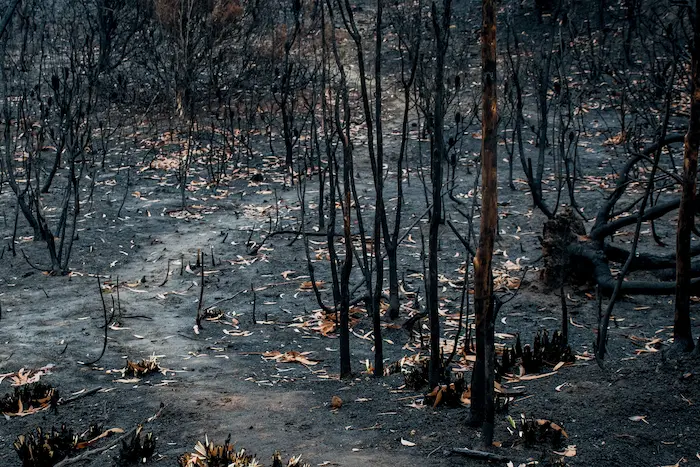
Universal Damages of Wildfires
Forest fires not only impact the immediate area but also have severe global repercussions, affecting various aspects ranging from ecosystems and climate change to economy and human health.
1. Climate Change
Fires release vast amounts of CO₂ and other greenhouse gases into the atmosphere, contributing to global warming.
2. Loss of Biodiversity
Fires can lead to habitat loss, endangering numerous plant and animal species, and disrupting ecosystems.
3. Air Pollution
The smoke and harmful particles released during fires can cause air pollution, leading to respiratory and heart issues.
4. Water Resources Contamination
Fires accelerate soil erosion, potentially leading to water pollution when rainwater mixes with ashes and other pollutants.
5. Economic Losses
Forestry, tourism, and agriculture can suffer significant losses, and substantial financial resources are required for firefighting and rehabilitation efforts.
6. Social Impacts
Fires can render people homeless, cause job losses, and lead to psychological trauma, while also weakening the social fabric and resilience of communities.
The universal damages of forest fires are severe and extensive, necessitating coordinated prevention and response efforts at local, national, and global levels. Combating climate change and promoting sustainable forest management are critical in mitigating these damages. Campers and other individuals must also play their part by being aware and responsible, as collaborative efforts can significantly contribute to addressing these catastrophic events.
- Binoculars in Nature and Outdoor Activities
- Camper Photography
- Information About Campfire
- Camping Mat Selection and Usage Guide
- Travel Trailer or Motorhome?
Follow us on social media