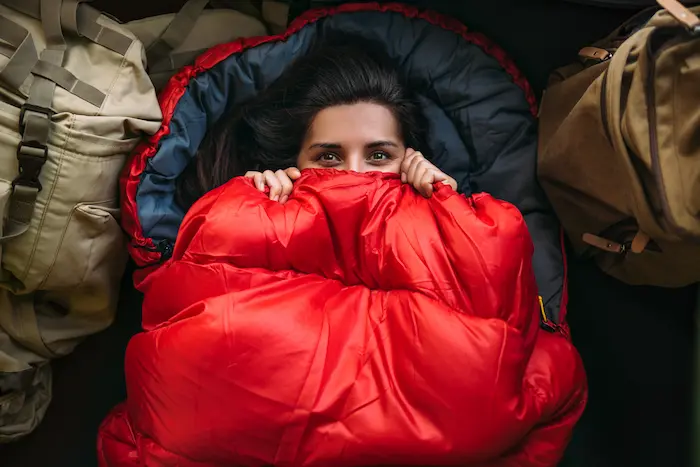
The joy of camping begins with experiencing the unique landscapes and tranquility that nature offers. However, to fully enjoy this experience, a good night’s sleep is crucial. In camping life, a sleeping bag is a must-have for a comfortable and restorative night’s sleep. This article shares information that will help you make the right sleep sack choice.
Contents
What to Consider When Choosing a Sleeping Bag?
Temperature Rating Comfort Rating
The minimum temperature at which the sleeping bag will keep you comfortable. Limit Rating: The borderline temperature at which the sleep sack can protect the user from the cold. Extreme Rating: Indicates survival temperature, typically not suitable for comfortable sleep.
Shape of the Sleeping Bag Mummy Type
Close-fitting to retain heat, ideal for cold weather conditions. Rectangular Cut: Offers a larger space for movement but less thermal insulation compared to the mummy type. Semi-Mummy: A combination of mummy and rectangular cut, offers a balance between comfort and insulation.
Material Down: Lightweight and offers good thermal insulation but can lose insulating properties when wet.
Synthetic Fill: Maintains insulation even when wet, heavier and bulkier compared to down.
Weight and Portability The weight and volume are important depending on the type of camping. For backpacking, a light and compact sleeping bag is preferred.
Seasonal Use
Season Sleeping Bags: Suitable for spring, summer, and autumn.
Season Sleeping Bags: Usable all year round, including winter conditions.
Humidity Conditions For humid climates, choose sleeping bags with water-resistant exterior material or down treated with water-repellent.
Additional Features Features like an internal pocket, pillow pocket, and two-way zipper can be handy.
Care and Storage of Sleeping Bags
Proper cleaning and storage conditions can extend the life of a sleep sack. It should be stored away from moisture, in a cool and dry place, and preferably hung up.
Types of Sleep Sacks
When choosing a sleep sack for comfort and safety while camping, the basic types you should be aware of are listed below:
Down-Filled Sleeping Bags Lightweight Down Bags
Typically offer a light weight and high thermal insulation. They can be compressed into a very small volume. Water-Resistant Down Bags: Treated with durable water repellent to withstand moisture and retain insulating properties in damp conditions.
Synthetic-Filled Sleep Sacks Standard Synthetic Bags
More resistant to wet conditions and may be more affordable compared to down-filled bags. Advanced Synthetic Bags: Use the latest generation of synthetic materials to try to provide as good insulation and lightness as down.
Seasonal Sleeping Bags Summer Bags
Light, with thin filling, usually suitable for temperatures above 0°C. 3-Season Bags: Suitable for spring, summer, and autumn use, can often provide comfort down to -10°C. Winter Bags: Designed for winter conditions, especially for use below -10°C, with extra insulation.
Double Sleep Sacks Double Bags
Designed for two people to sleep together, suitable for couples.
Special Use Sleep Sacks Mountaineering Bags
Specifically designed for high-altitude mountaineering, resistant to extreme cold. Bags for Children and Adolescents: Models produced to fit children’s body sizes, capable of adjusting to growth. Ultralight Bags: Ultra-lightweight models designed with portability in mind for long-distance hikes and backpacking.
Sleeping Bags Enriched with Accessories Bags with Pillow Compartments
Models with an integrated or additional pillow pocket in the head area. Integrated Pillow and Bed Systems: Combined systems with sleeping bags compatible with inflatable beds or mats. This variety ensures that every camper can find a ssleep sack that suits their needs and preferences. When making a selection, it is important to consider the season of use, climate conditions, carrying capacity, and personal comfort preferences.
World-Famous Sleeping Bag Brands and Their Features
The North Face
The North Face produces high-performance sleeping bags favored by both amateur and professional outdoor enthusiasts. The brand’s range includes models with advanced insulation for cold weather conditions as well as lightweight and compact bags suitable for summer.
Marmot
Marmot is a brand that emphasizes environmentally friendly production by using sustainable materials. It offers a wide range of products with both down and synthetic fill options. Their sleep sacks are known for their durability and comfort.
Mountain Hardwear
Mountain Hardwear is known for sleep sacks designed specifically for mountaineering and harsh winter conditions. Their sleeping bags maintain high standards in thermal insulation and durability.
Western Mountaineering
Western Mountaineering specializes in premium down-filled sleeping bags. It is considered one of the best brands in the industry for its lightweight and high warmth-retention capabilities.
REI Co-op
REI Co-op is a brand that offers affordable and high-quality sleep sacks. It is ideal for hikers and campers looking for both lightness and warmth.
Rab
Rab, a British brand, is known for sleep sacks designed especially for extreme weather conditions. It scores highly on durability and insulation.
Nemo
Nemo Equipment stands out with its innovative designs. The brand prioritizes comfort with its spacious interior and unique features.
Big Agnes Description
Big Agnes produces multifunctional sleeping bags, notably featuring integrated pillow and sleeping pad compartments. This brand offers ideal options for lightweight camping and hiking.
Sea to Summit Description
Sea to Summit brings together innovation and high-quality materials to cater to the needs of campers and hikers. Their sleep sacks are notable for compressibility and lightness.
Kelty Description
Kelty offers affordable and durable sleep sacks suitable for family camping and casual campers. It is recognized for its wide range of use and practical features.
Our other articles that may interest you
- Caravan Rental: Rediscovering Travel Freely
- Selecting a Refrigerator for Your Caravan: What to Consider?
- What To Know About Wildfires
- Travel Trailer or Motorhome?
- Things to Consider When Choosing a Campground
Follow us on social media