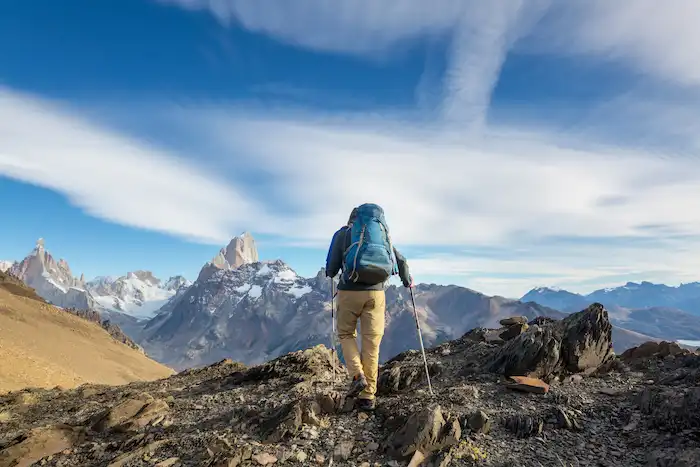
Walking amidst the beauty of nature is one of the most effective ways to harmonize the body, mind, and soul. Stepping away from the stress of urban life and the constant bombardment of technological devices, the health benefits of walking in nature span a wide spectrum. In this article, we will delve into the positive impacts of hiking on human life.
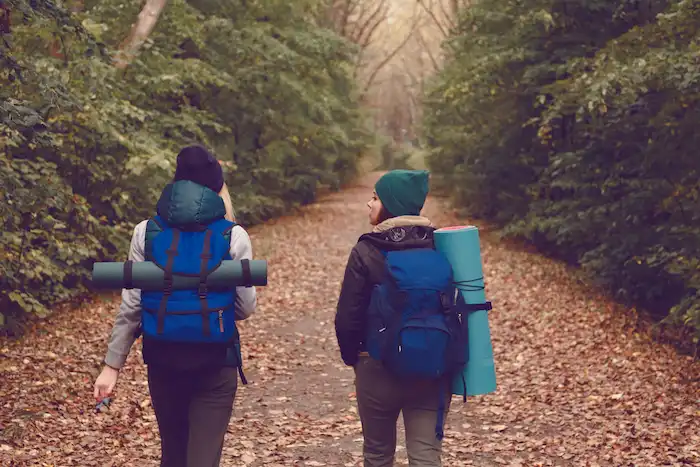
Contents
What is Hiking?
Hiking refers to long walks made in natural areas, usually following marked trails and paths. These mostly day-long walks not only immerse you in nature but also cater to the need for physical activity.
How to Hike?
To start hiking, one must first select an appropriate route. If you are a beginner, choosing flat and short-distance routes might be a good choice. Once you have chosen a route, you should set out with clothing and equipment suitable for the season and weather conditions.
Hiking – Which Equipment Should Be Used?
Suitable Footwear
Shoes specially designed for hiking should be preferred. They provide comfort even on challenging terrains. Unlike regular sports shoes, hiking shoes have a firmer sole, waterproof properties, and a structure that supports the ankle.
Backpack
Backpacks designed for hiking distribute weight evenly across the spine and back due to their ergonomic structure. Depending on the duration of your walk, you should choose the capacity of the backpack. For short walks, 20-30 liters is suitable, whereas for longer hikes, 40-70 liters is ideal. It is essential to place heavier items in the middle of the backpack, not at the bottom, for weight balance.
Water and Food
During the walk, you should carry sufficient water and energy snacks to meet your energy and hydration needs. Typically, a minimum of 0.5 liters of water is recommended for each hour. To meet your energy needs, you should have energy bars, nuts, dried fruits, and sandwiches with you.
First Aid Kit
A basic first aid kit should be carried in case of minor accidents. It should include basic first aid items for small cuts, scrapes, or insect bites. It’s beneficial to have a bandage, antiseptic solution, gauze, pain reliever, allergy medicine, and any additional materials relevant to the specific hiking region.
Map and Compass
To prevent getting lost, having a map and compass can be invaluable. Knowledge of map and compass can enhance your natural direction-finding skills. Today’s GPS devices or smartphone-supported apps can be very handy, but basic navigation skills are always beneficial.
Differences Between Hiking and Trekking
While both hiking and trekking refer to walks in nature, there are some fundamental differences between the two:
Duration
Hiking usually denotes day-long walks, while trekking can last several days, typically requiring accommodation.
Difficulty
Hiking is done on easier, marked trails, whereas trekking is more challenging and usually on unmarked, natural terrains.
Equipment
Trekking requires more equipment and preparation as it includes the possibility of staying in nature for extended periods.
Both hiking and trekking offer numerous health benefits. Whether you’re hiking or trekking, you’ll immediately feel the positive effects of time spent in nature on both body and spirit. With the right equipment and preparation, these activities will connect you even more deeply with nature.
Effects on Physical Health
Walking in nature brings multiple physical health benefits:
Cardiovascular Health
Nature walks increase the heart rate, supporting heart and circulatory system health. Regular nature walks can reduce the risk of heart diseases.
Bone Density Preservation
Especially as one ages, the risk of bone density reduction increases. Walking in nature strengthens the bones and can reduce the risk of osteoporosis.
Muscle Strength and Endurance
Walking on nature’s challenging paths exercises the legs, hips, and abdominal muscles. This enhances muscle strength and endurance.
Mental and Emotional Benefits
Stress Reduction
Nature walks trigger the release of endorphins, which reduce stress. The natural environment is also a perfect setting for relaxation and meditation.
Focus and Concentration
Walking in nature allows you to distance yourself from distractions. It can refresh your mind and enhance your focus.
Emotional Balance
Nature walks help in dispelling negative emotional energies. The peaceful ambiance of nature makes it easier to find your emotional equilibrium.
Social Benefits
Social Interaction
While walking in nature, you can meet people with similar interests. This can enhance your social skills and help you make new friends.
Strengthening Family Bonds
Nature walks with family members offer quality time, strengthening family ties.
Connection with Nature and Environmental Awareness
Nature Awareness
Walking in nature lets you appreciate the value of the natural environment, increasing your sense of environmental responsibility.
Connection with Flora and Fauna
During nature walks, you can encounter various plant and animal species, deepening your connection with the natural world.
Nature walks are activities that positively influence our physical, mental, and social well-being. Taking a break from the speed and stress of modern life and spending time in nature’s peaceful embrace can rejuvenate our souls and offer a more positive outlook on life. We recommend making nature walks a regular activity to enhance your quality of life.
Check out our other articles for safe and quality travel experiences!
- Tips for Choosing a Camping Chair
- Outdoor Furniture – The Key to Outdoor Comfort
- Things to Consider When Choosing a Campground
Follow us on social media