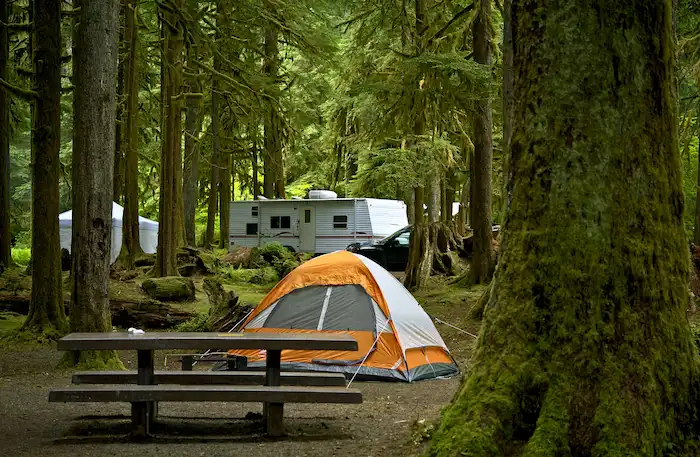
Camping is one of the most wonderful ways to immerse oneself in nature, to break away from the hustle and bustle of city life and spend some peaceful time. However, when planning to camp, the choice of your campground is crucial. Here are the essential points to consider when choosing a campground:
Contents

Safety
Wild Animals
Research the presence of wild animals in the area. Familiarizing yourself with which species reside there and understanding their behaviors will help you take the right precautions.
Weather Conditions
Check the weather of the area you’re planning to camp in. Ensure you are prepared for any sudden changes, especially in places known for unpredictable weather.
Altitude
If you are planning to camp in mountainous regions, be well-prepared for altitude sickness. Always remember that oxygen levels can decrease in such areas, so carry the necessary equipment.
Location and Transportation
Access
Choose a campground that is easily accessible. Especially in areas that are not accessible by vehicle, plan the amount of equipment and food you need to carry in advance.
Activities
If you are planning activities such as hiking, fishing, or bird-watching, opt for locations suitable for these activities.
Facilities and Amenities
Basic Needs
Opt for a campground that provides basic necessities like electricity, water, toilets, and showers. Such facilities are especially vital for those new to camping.
For Children
If camping with children, choose a campground that caters to their needs. Look for features like play areas and safe water edges.
Natural Features
Natural Beauty
Pay attention to the natural beauty of the camping area. Prefer natural formations like lakes, waterfalls, and forests.
Crowds and Privacy
Secluded Areas
Inquire about the campground’s occupancy. Some camping areas can get quite crowded during holiday periods. For a quieter and peaceful camping experience, you might prefer lesser-known areas.
Rules and Regulations
Campground Rules
Familiarize yourself with the rules and regulations of the chosen campground in advance. This can prevent any unforeseen issues during your camping experience.
Camping Equipment
Terrain and Climate
Choose equipment according to the campground’s terrain and climate. For rainy regions, waterproof gear is essential, and for cold regions, thermal clothing and equipment are crucial.
Hygiene and Cleanliness
Waste Management
Check if the campground has garbage bins. If not, be prepared to carry your waste for recycling.
Backup Plan
Alternatives
Having backup plans for unforeseen circumstances is essential. For instance, be prepared for unexpected rain.
Communication
Cell Phones and Radios
Some areas might not have cell reception. In such cases, having alternative communication tools like satellite phones or radios is essential.
When planning to camp, carefully choosing your campground is essential. The right choice will ensure a pleasant, peaceful, and safe vacation. By considering the criteria mentioned above, you can select the most suitable campground to immerse yourself in nature. With this knowledge, you can make the most of your camping experience.
Check out our other articles for safe and quality travel experiences!
Follow us on social media